 Pin Now
 My grandmother kept a cast-iron skillet on her stovetop year-round, but it was her buttermilk pie that made her kitchen feel like home. The first time I watched her make one, I was struck by how simple the ingredient list was—no complicated techniques, just butter, buttermilk, eggs, and sugar somehow transforming into this wobbling, golden custard that would set into something between a pie and a pudding. She never wrote down measurements, just poured and whisked with the confidence of someone who'd made it a hundred times. I've since learned that confidence comes from understanding that this pie is nearly impossible to mess up, which is precisely why it's so perfect.
I made this pie for a church potluck one spring, nervous that such a humble dessert would get lost among the elaborate layer cakes and decorated sheet cakes everyone brought. By the end of the afternoon, my pie dish was empty and three people had asked for the recipe. That's when I realized that sometimes the simplest things—the ones that let buttermilk shine and don't try to be anything other than what they are—end up being the ones people actually remember.
Ingredients
- Unbaked 9-inch pie crust: This is your foundation—whether you make it from scratch or use store-bought is entirely up to your comfort level and the time you have, and either choice will work beautifully.
- Granulated sugar: The sweetness that balances the tang of the buttermilk, working with the flour to create structure as the filling bakes.
- All-purpose flour: Just a few tablespoons act as a subtle thickener, preventing the filling from being too loose while keeping it custardy.
- Unsalted butter, melted and cooled: Make sure it's cooled slightly or it might scramble your eggs when you whisk them in—a lesson learned the first time I didn't wait.
- Large eggs: These are what gives the pie its set texture; don't skip whisking them in one at a time for a smooth, lump-free filling.
- Buttermilk: The soul of this pie, providing that distinctive tangy flavor that keeps everything from tasting like a regular custard pie.
- Lemon juice: A tablespoon brightens the filling with just enough acid to make all the other flavors pop without being noticeable.
- Vanilla extract: A small amount deepens the overall flavor in a way that's hard to articulate but impossible to miss when it's missing.
- Ground nutmeg and salt: These two work quietly in the background, the nutmeg adding warmth and the salt amplifying everything else.
Tired of Takeout? 🥡
Get 10 meals you can make faster than delivery arrives. Seriously.
One email. No spam. Unsubscribe anytime.
Instructions
- Prep your crust and heat your oven:
- Get your oven to 350°F and settle your pie crust into the dish, crimping the edges however feels right to you. This gives everything time to come to temperature while you work on the filling.
- Build the base:
- Whisk together the sugar and flour in a big bowl—this prevents lumps and makes sure the flour distributes evenly throughout the filling. The mixture should look like fine sand.
- Add the butter:
- Pour in your cooled melted butter and stir until everything is combined and looks smooth. Don't rush this step; take a moment to make sure there aren't any flour pockets hiding in the corners of the bowl.
- Whisk in the eggs:
- Add each egg one at a time, whisking well after each addition until the mixture is silky and smooth. This prevents the filling from being grainy and ensures even cooking.
- Bring it together:
- Stir in the buttermilk, lemon juice, vanilla extract, nutmeg, and salt until everything is fully incorporated and the filling has a pourable custard-like consistency. You'll notice the mixture will smell slightly tangy and warm from the spices.
- Pour and bake:
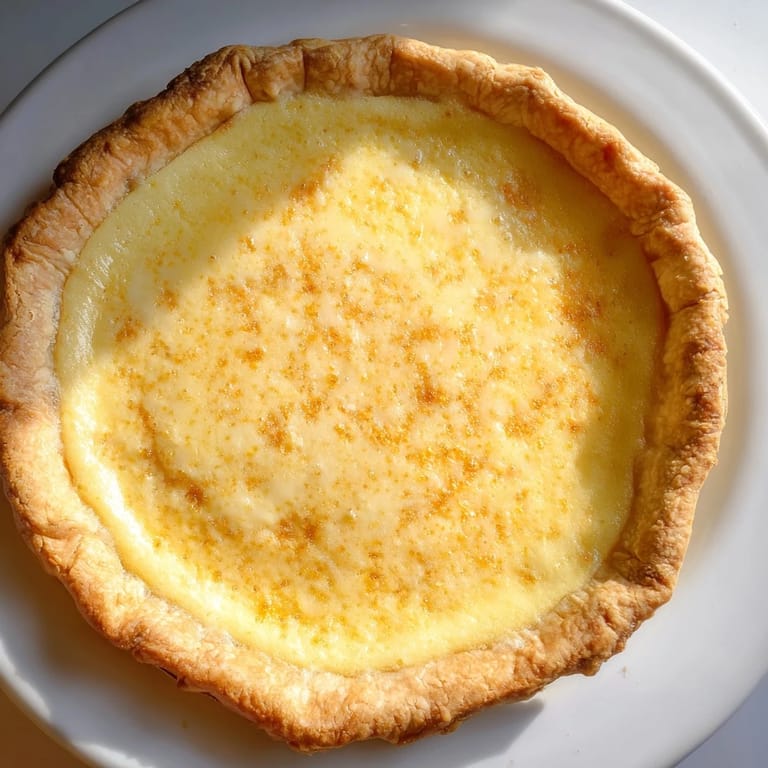
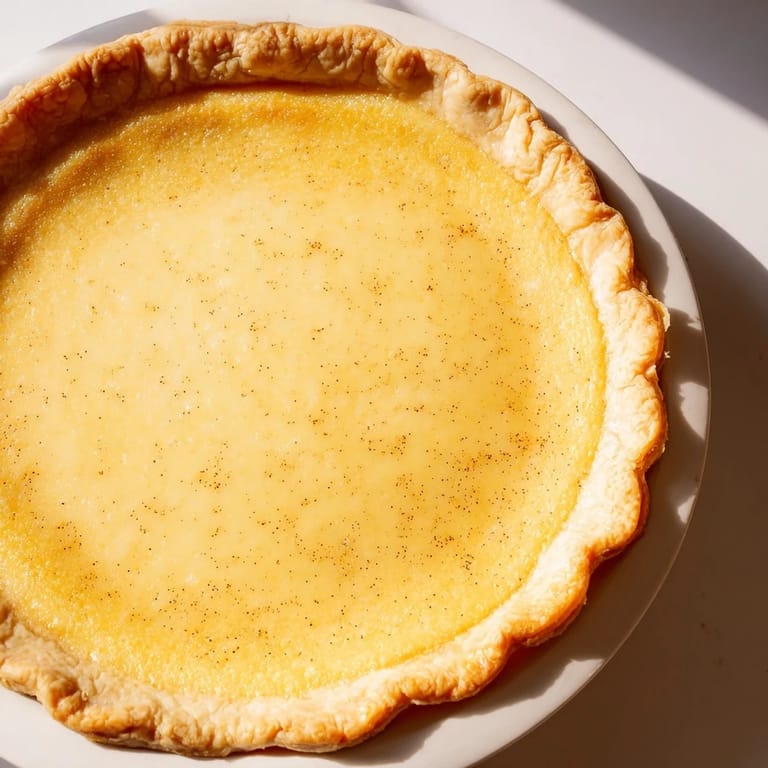
- Pour the filling into your waiting pie crust and slide it into the oven for 40 to 50 minutes, until the top is lightly golden and the center jiggles just slightly when you gently shake the dish—it will continue to set as it cools. Don't panic if it looks a little underbaked; that's exactly right.
- Cool with patience:
- Let the pie rest completely on a wire rack before you even think about slicing it. This can take a couple of hours, but it's when the magic finishes happening inside.
 Pin Now
 Years later, I realized this pie represents something my grandmother understood instinctively: that the best things in life don't require complicated instructions or exotic ingredients, just honest attention and quality fundamentals. Every time I make it, I feel like I'm having a quiet conversation with her across the kitchen.
The Magic of Simplicity
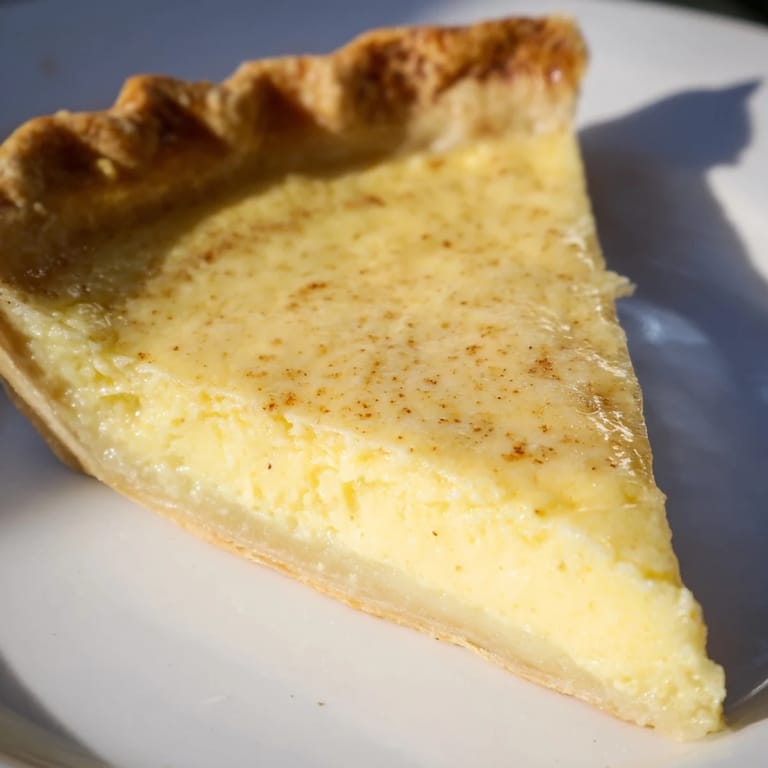
There's a reason this pie has endured for generations in Southern kitchens—it's not trying to be anything it isn't. No fruit to prepare, no whipped topping to worry about, no layering techniques to master. The filling creates its own texture as it bakes, developing a delicate custard on top and a slightly denser layer underneath that feels intentional even though it happens naturally. The first time I understood this was when I stopped trying to make it seem fancier than it was and just let the buttermilk, sugar, and butter do their quiet work.
Serving and Storage
This pie is equally lovely at room temperature or chilled, depending on your mood and the weather. On a warm afternoon, I prefer it cool with a cup of strong coffee; in winter, a slice with barely-cool filling and a dollop of whipped cream feels like a hug. The texture changes slightly as it sits—it becomes more custard-like the next day, which some people actually prefer. Wrapped and refrigerated, it keeps for about three days, though honestly it rarely lasts that long in my house.
Customizing Your Pie
While the classic version is perfect on its own, this recipe is forgiving enough to accept a little personality. I've experimented with adding an extra tablespoon or two of lemon juice when I want more tang, and I've tried a hint of bourbon once or twice for an evening crowd. The nutmeg can be adjusted to your taste—I know people who add just a whisper and others who dust the top generously before baking. Fresh berries alongside a slice aren't traditional but they're not wrong either, and whipped cream has never met a slice of this pie it didn't improve.
- A pinch of cardamom or a few shakes of cinnamon can replace some of the nutmeg if you want to experiment.
- The top will develop a beautiful golden color if you sprinkle a little extra nutmeg on it right before baking.
- If you prefer more custard and less cake-like texture, pull it from the oven a few minutes earlier when the jiggle is more pronounced.
 Pin Now
 There's comfort in knowing that some recipes don't change because they don't need to. This buttermilk pie tastes like someone caring enough to make you something good.
Recipe FAQs
- → What makes this custard tangy?
The tanginess comes from the buttermilk combined with a touch of lemon juice, which adds brightness to the smooth filling.
- → Can I use store-bought crust for this dessert?
Yes, a pre-made 9-inch pie crust works well for convenience without compromising the flaky texture.
- → How can I tell when the filling is done baking?
The filling should be set in the center and slightly golden on top; a gentle jiggle indicates it’s ready to cool.
- → Is it better served warm or chilled?
It can be enjoyed at room temperature or chilled, depending on personal preference. Cooling enhances its creamy texture.
- → Any tips for enhancing the flavor?
Adding extra lemon juice or sprinkling nutmeg on top before baking can boost the aromatic and tangy notes.