 Pin Now
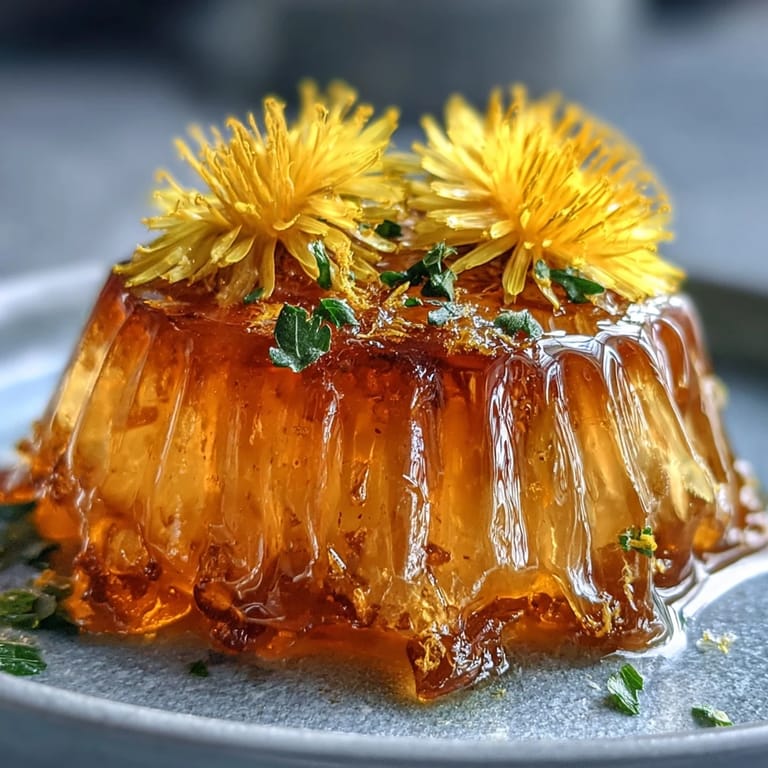
 The first time I made dandelion jelly, spring sunlight filtered through my kitchen window, painting golden streaks on the countertop. It wasnt a dramatic moment—just the hum of the kettle and a pile of wild blossoms collected from the garden after a rain. Oddly enough, the small of damp earth mingled with the sweet aroma of dandelion petals, and I remember feeling quietly triumphant when the infusion turned a vibrant yellow. This recipe somehow captures the mood of that day—cheerful, busy, and tinged with a bit of wild countryside. Theres a simple pleasure in transforming foraged petals into jars of sweet, floral preserve.
One sunny afternoon, I set out a tray of dandelion jelly at brunch for friends—watching their eyebrows lift in surprise at the first buttery-sweet bite. We laughed about the oddness of eating what most people pulled from their lawns, but the vibrant color on their plates sparked dozens of questions and stories. That jar became a conversation starter and an invitation to enjoy the quirks of homemade food. Cooking for others always brings out hidden magic in these recipes. Even the shyest guest tried a spoonful drizzled over warm toast.
Ingredients
- Fresh dandelion petals: Picking only the yellow parts avoids bitter flavors—removing green sepals makes all the difference.
- Water: Use filtered or spring water to let the floral taste shine through, free from chlorine or off flavors.
- Fresh lemon juice: The tartness balances the honey and boosts the brightness; rolling the lemon before juicing helps release more liquid.
- Granulated sugar: Provides sweetness and structure; I learned to add it only after the pectin is mixed for best results.
- Mild honey: Honey brings a soft richness—choose a light, floral variety so it doesnt overwhelm the dandelions.
- Fruit pectin: This ensures the jelly sets firmly—always dissolve pectin thoroughly to avoid lumps.
Tired of Takeout? 🥡
Get 10 meals you can make faster than delivery arrives. Seriously.
One email. No spam. Unsubscribe anytime.
Instructions
- Picking the Petals:
- Pinch just the bright yellow parts of the dandelion head, leaving all the green bits behind so your jelly stays sweet and gentle.
- Making the Dandelion Brew:
- Combine petals with water in a big saucepan, listen to the gentle simmer, and let the flowers steep their gold into the water for 10 minutes.
- Steeping Overnight:
- Turn off the heat, cover the pan, and set it somewhere quiet to infuse for at least 6 hours or let it sit overnight if you want full floral strength.
- Straining the Infusion:
- Pour the golden liquid through cheesecloth, and press the petals to coax out every drop—this step fills the kitchen with a springtime scent.
- Measuring and Adjusting:
- Measure out 3 cups of dandelion tea; add a splash more water if needed so the jelly doesnt turn out scant.
- Blending and Boiling:
- Return liquid to the pan, mix in lemon juice and pectin, then stir nonstop as it heats up until everything is dissolved.
- Sweetening and Setting:
- Add sugar and honey, stir while it bubbles wildly, and wait for the mixture to thicken—test with a spoon on a cold plate to check for wrinkles.
- Skimming and Jarring:
- With heat off, skim off any foam, then ladle the golden jelly into jars—the warmth of the kitchen makes this step feel lovely and busy.
- Processing and Cooling:
- Seal jars, process in a boiling water bath for five minutes, and then let them cool undisturbed; the anticipation builds as you wait for the lids to pop.
- Storing the Jelly:
- Check seals before storing away—these jars do best tucked in a cool, dark spot until brunch or snacking inspiration strikes.
 Pin Now
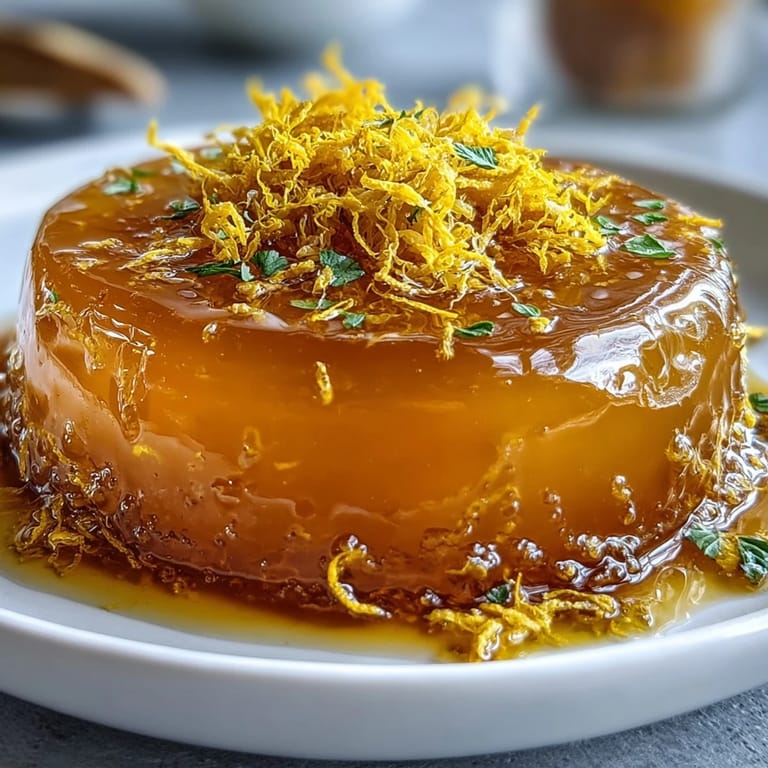
 The first batch I ever made was shared atop fresh biscuits during a late spring morning—the lovely golden jelly shimmered in the sunlight and made even ordinary breakfast feel festive. That simple meal turned into an impromptu celebration of the season—a reminder that homemade preserves can create memories out of quiet moments.
How to Harvest Dandelions Safely
Gather the flowers from lawns or meadows you know are pesticide-free—this is key for both taste and safety. Dandelions picked early in the day when petals are fully open yield more flavor, and rinsing them gently helps remove any dust or insects without bruising the petals.
Making Your Jelly Set Just Right
Using fruit pectin seems daunting until you see how quickly the jelly thickens. Stir constantly as it boils, and always check with the cold plate test to make sure youre not left with syrup instead of jelly. Dont be shy about boiling hard for that final minute—its what gives the jelly its beautiful, wobbly texture.
Fun Ways to Use Dandelion Jelly
Aside from toast, try dollops on warm scones or swirl into yogurt for a floral lift. It makes a surprising glaze for roast chicken, and pairs well with tangy goat cheese or creamy brie. Sometimes, the bright gold color alone is enough to spark a smile during gray days.
- Label your jars with the date so you remember when the flowers were picked.
- Try adding a teaspoon of vanilla for a twist if you want extra aroma.
- Always let the jelly cool completely so the set firms up before tasting.
 Pin Now
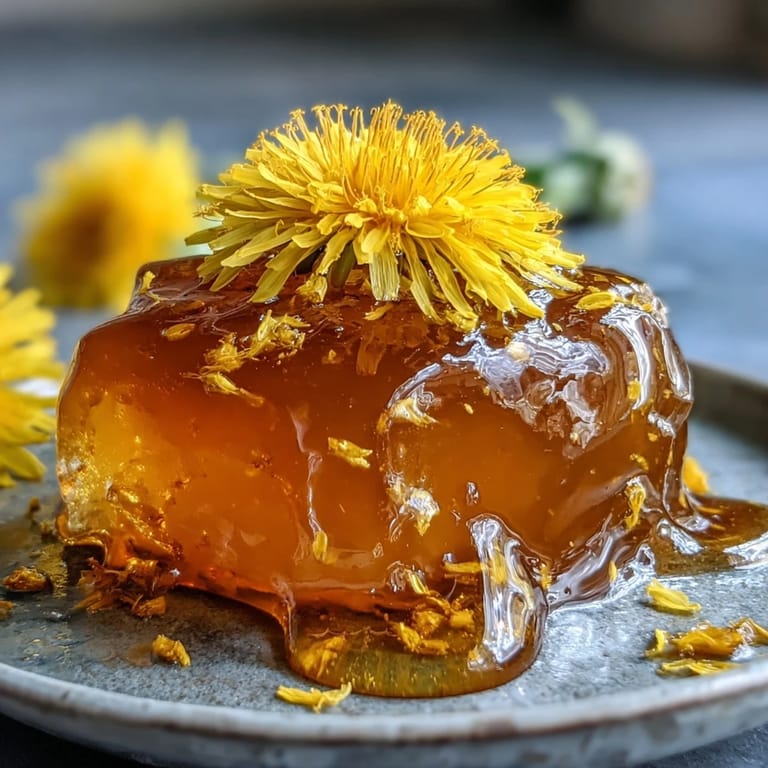
 Whether shared at a special meal or simply enjoyed with quiet toast, this dandelion jelly captures the fleeting sweetness of spring. Homemade preserves have a way of turning humble moments golden.
Recipe FAQs
- → How do you prepare dandelion petals?
Remove only the yellow petals, discarding green sepals and stems to avoid bitter flavors.
- → Can I substitute honey for a vegan option?
Yes, replace honey with granulated sugar or agave syrup for a vegan-friendly jelly.
- → How do I know if the jelly is set?
Test by placing a spoonful on a cold plate; if it wrinkles when pushed, it's ready.
- → What equipment is needed?
A large saucepan, mesh sieve, measuring tools, sterilized jars, ladle, jar funnel, and water bath canner are recommended.
- → What is the best way to use this jelly?
Spread on toast, pair with soft cheeses, or use as a glaze for roast meat or vegetables.
- → Are there allergen concerns?
The jelly contains honey and is not suitable for infants under 1 year; otherwise free of common allergens.