 Pin Now
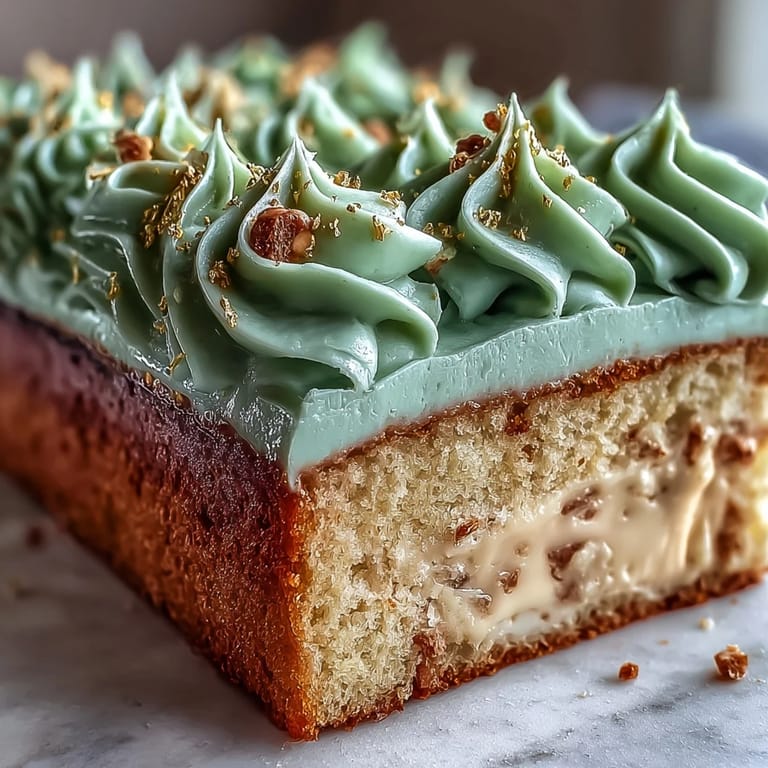
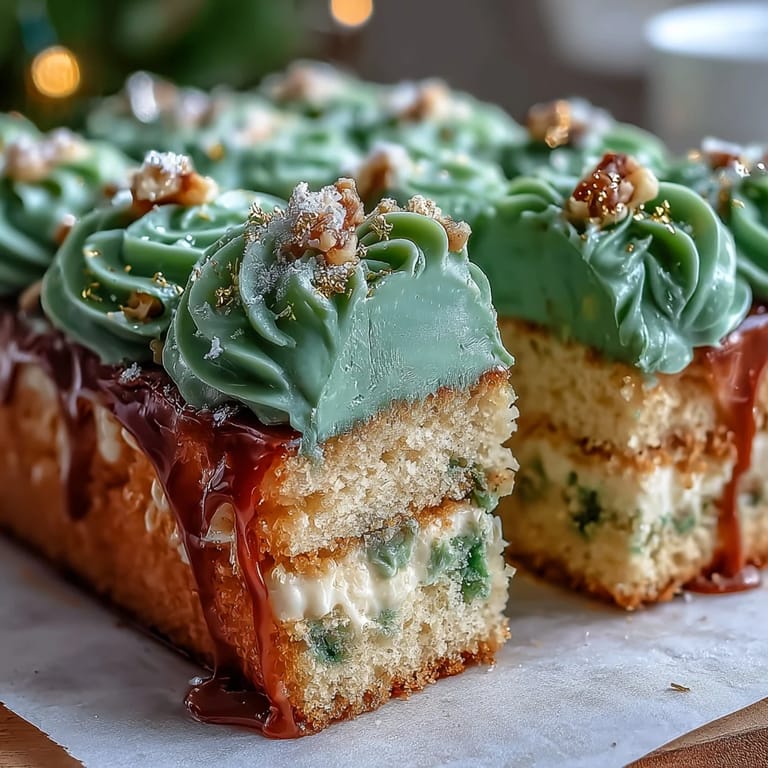
 A kitchen suddenly full of the sweet warm aroma of baking cake is its own kind of confetti. One spring afternoon, I found myself humming quietly as the vanilla cake batter came together—intent on making a treat that looked every bit as joyful as the occasion it was meant for. Swiping that first brush of sage green across the cooled cake, I couldn't help but think how graduation deserves a dessert that feels both sophisticated and playful. The gold accents shimmered with the sunlight slanting in, a wink to celebration and new beginnings. Sometimes it's the decorating, not just the baking, that delivers the real sense of accomplishment.
Last June, I quickly finished frosting this cake just as the first guests trickled in for my cousin’s graduation dinner. After everyone snapped their obligatory cap-and-gown photos, someone gasped at the glittery gold swirls and people crowded around for a closer look—just as I was picking stray sprinkles off my sleeve. The anticipatory chatter, the laughter echoing in the kitchen, and that cake right at the center of it all—that’s how this dessert earned its spot in my heart. Serving those neatly sliced squares, I watched proud faces turn soft with joy. It was a sweet punctuation mark on an already memorable evening.
Ingredients
- All-purpose flour: This provides the structure for the cake—sifting helps make a lighter, fluffier crumb.
- Baking powder: Ensures a gentle, even rise and a tender bite, so check that it’s fresh before you begin.
- Salt: Just a half teaspoon draws out the flavors—skip it, and the cake falls flat (literally and taste-wise).
- Unsalted butter: Creamy and rich; room temperature butter is essential for smooth batters and fluffy buttercream.
- Granulated sugar: Not just for sweetness—proper creaming with butter leads to the lightest texture.
- Large eggs: Bind everything and bring richness; room temp eggs whip in gorgeously.
- Pure vanilla extract: The soul of the cake—splurging a little on quality makes every bite fragrant.
- Whole milk: Adds moisture and a soft crumb; let it come to room temp so it doesn’t harden the batter.
- Powdered sugar: For the silkiest buttercream, always sift to avoid clumps (and clouds of sugar dust everywhere).
- Heavy cream or milk: Controls the consistency of the frosting—drizzle in slowly for perfect spreadability.
- Sage green gel food coloring: Just a toothpick swirl can turn your buttercream elegantly earthy.
- Gold edible luster dust: Brings pure celebration to the cake—just a shimmer goes a long way for detail.
- Clear vanilla extract or vodka: Mixing with gold dust paints a vibrant finish that won’t smudge or fade.
Tired of Takeout? 🥡
Get 10 meals you can make faster than delivery arrives. Seriously.
One email. No spam. Unsubscribe anytime.
Instructions
- Prep your pan:
- Grease and line your largest sheet pan, letting the parchment overhang for easy lifting later—no fiddly corners, no crumbling edges.
- Dry ingredients first:
- Whisk together flour, baking powder, and salt—listen to the soft shush as it blends and check for any lumps.
- Creaming the base:
- Beat butter and sugar until pale and cloudlike, occasionally scraping down the bowl—it should look light enough to almost float.
- Eggs and vanilla:
- Add eggs one by one, pausing to enjoy the yolks swirling in, then stir in vanilla until the batter smells as good as it looks.
- Alternate dry and wet:
- Gradually combine dry mixture and milk, starting and ending with dry—work gently, mix until just blended and no dry streaks remain.
- Bake it golden:
- Spread batter evenly and smooth with an offset spatula, then bake until barely golden, and a tester comes out clean—resist peeking too soon.
- Buttercream magic:
- Beat butter until creamy, then add powdered sugar in stages; once fluffy, drizzle in vanilla, salt, and cream for a glossy, cloudlike texture.
- Sage tinting:
- Swirl in sage green gel food coloring—it intensifies as you mix, so pause and check shade often; reserve a scoop for gold accents.
- Frost and swirl:
- The cake must be cool before you generously spread sage buttercream on top; sweep it across in slow, even strokes.
- Gold accenting:
- Mix gold luster dust with clear vanilla or vodka for a paintable shimmer and brush onto piped details or marbled into buttercream for twinkling accents.
- Make it festive:
- Decorate with graduation motifs, gold sprinkles, or elegant piping—this is where the cake becomes uniquely yours.
 Pin Now
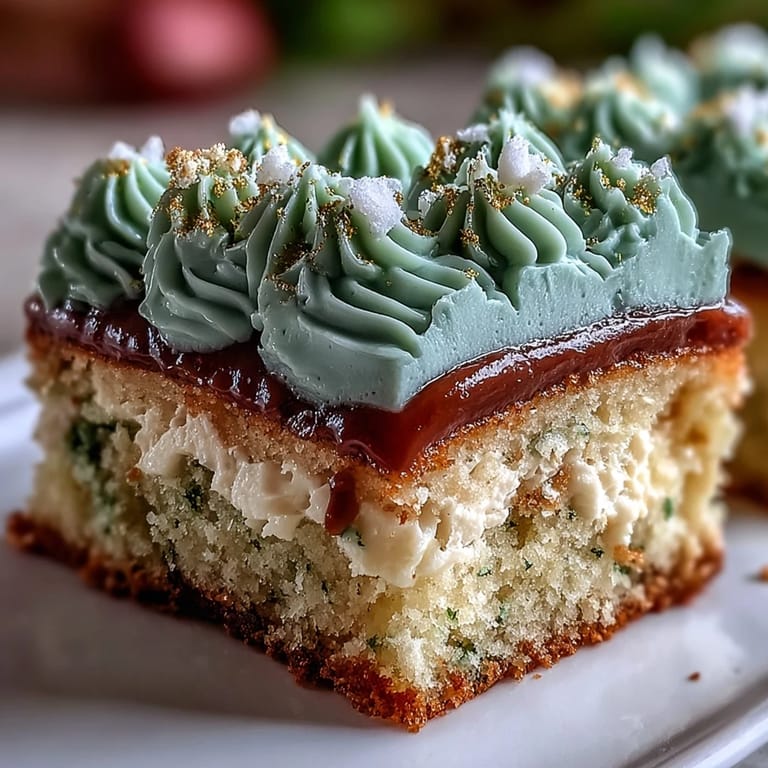
 Handing my niece a frosted corner piece with an imperfect gold swirl, she grinned and declared it ‘the fanciest cake I’ve ever seen.’ Even later, as plates emptied and laughter lingered, someone was quietly taking a phone picture—proof that sometimes dessert really does steal the show. It’s these in-between moments, when a cake means congratulations and love, that baking feels almost magical.
Decorating for the Occasion
I’ve found that piping tassels, diploma scrolls, or numbers with the reserved buttercream always gets a round of smiles—imperfect shapes somehow end up looking charming in the final design. Let gold sprinkles rain down sparingly or gently brush on more shimmer to highlight a message. The real trick is not to overthink every line; a casual approach with a steady hand delivers the best results. And if there’s a mistake, just smudge with a clean finger and call it abstract art. Embrace whatever comes—this part is for having fun.
Customizing Flavors and Flourishes
When my sister requested lemon zest in the batter, I learned that a zest of citrus brings a new brightness without overpowering the vanilla foundation. If you’re celebrating a chocolate lover, swapping a third of the flour for cocoa powder delivers a completely different experience, while almond extract gives an elegant twist to the aroma. I’ve even folded in rainbow sprinkles before baking for a confetti effect—never fails to spark some excitement in the youngest guests. Don’t be afraid to change table decorations or sprinkle edible flowers, because this cake is as adaptable as it is festive.
Serving and Storing Like a Pro
I always chill the cake for 20 minutes before slicing, which makes for tidier squares and helps the frosting keep its shape, especially when transporting. Store leftovers covered tightly in the fridge—just let slices come to room temperature before serving so the buttercream turns soft again. Someone once microwaved their slice and swooned at the melty result, though the gold might lose its gleam. Do take a mental count for seconds—this cake tends to disappear faster than expected.
- Chill before slicing for cleaner pieces.
- Store in the fridge for up to four days.
- Let come to room temperature before enjoying for peak flavor.
 Pin Now
 May this cake bring extra sparkle to your next big milestone, big or small. With its cloud-soft crumb and shimmering finish, here’s to sweet new chapters and plenty of laughter around your table.
Recipe FAQs
- → How do I get a smooth sage-green buttercream?
Beat the butter until very creamy before adding powdered sugar. Add gel food coloring a little at a time to reach an even sage tone—gel gives strong color without thinning the icing.
- → What’s the best way to achieve the gold sheen?
Mix edible gold luster dust with a few drops of clear vanilla extract or vodka to make a paintable liquid, or gently fold dust into reserved buttercream for a marbled metallic effect. Use a food-safe brush for precise accents.
- → Can I swap extracts for different flavors?
Yes. Swap some or all of the vanilla with almond, lemon, or a touch of espresso to change the cake profile—start with 1/2 to 1 teaspoon additions so the extract doesn't overpower the batter.
- → How should I store leftovers?
Cover loosely and refrigerate up to 4 days. Bring slices to room temperature before serving for best texture, or warm slightly in a low oven if you prefer a softer crumb.
- → Tips for clean, even squares when serving?
Chill the frosted cake at least 30 minutes to firm the buttercream, then use a sharp knife warmed under hot water and wiped dry between cuts for cleaner edges.
- → Can I make this gluten-free or vegan?
Use a gluten-free 1:1 flour blend and expect slight texture changes. For vegan, replace butter and eggs with plant-based butters, aquafaba or flax eggs, and a milk alternative—bake times may vary.