 Pin Now
 There's something about the way miso transforms salmon that caught me off guard the first time I actually paid attention to it. My neighbor brought over a container of homemade miso glaze one evening, and I remember standing in my kitchen, skeptical but curious, watching how the paste turned glossy and caramelized in the oven. The kitchen filled with this warm, funky-sweet aroma that made my stomach growl before the salmon even finished cooking. That night changed how I thought about weeknight dinners—suddenly, simple and elegant weren't mutually exclusive.
I cooked this for my sister during a particularly stressful week she was having, and I remember her closing her eyes after the first bite like she'd just solved something. She didn't say much, just kept eating, and afterward she asked how I made it taste so balanced. That's when I realized this dish has this quiet way of making people feel seen—it's healthy but never feels like a sacrifice, impressive but never pretentious.
Ingredients
- Salmon fillets (4 fillets, about 150 g each): Choose ones that smell like the ocean, not fishy—that's your first quality check, and it matters more than you'd think.
- White miso paste (2 tbsp): This is your umami anchor, the ingredient that makes people ask what you did differently; keep it in the fridge and use it for more than just this dish.
- Mirin (1 tbsp): It brings sweetness that rounds out the salty-funky miso, or grab dry sherry if mirin isn't in your pantry.
- Low-sodium soy sauce (1 tbsp for glaze, 1 tbsp for spinach): Low-sodium lets the miso shine instead of drowning everything in salt.
- Honey or maple syrup (1 tbsp): A touch of natural sweetness that caramelizes beautifully; maple syrup works if you're keeping it vegan.
- Sesame oil (1 tsp): A small amount goes a long way—this stuff is liquid gold and will perfume your entire glaze.
- Fresh grated ginger (1 tsp for glaze, 1 tbsp julienned for spinach): Don't skip this; ginger is what keeps the dish from feeling heavy and adds this bright, almost spicy warmth.
- Olive oil or sesame oil (2 tbsp): Use sesame if you want to lean into those Asian-inspired flavors, olive oil if you prefer something more neutral.
- Fresh baby spinach (400 g): Buy it pre-washed if you can—one less step when you're cooking with limited time.
- Shallot (1 large, thinly sliced): Shallots have this gentle, sweet onion flavor that plays much nicer with the other ingredients than regular onions would.
- Garlic cloves (2, minced): Fresh garlic is non-negotiable here; it's what gives the spinach that savory backbone.
- Freshly ground black pepper and lemon wedges: Pepper adds a subtle bite, and lemon is essential for cutting through the richness at the end.
Tired of Takeout? 🥡
Get 10 meals you can make faster than delivery arrives. Seriously.
One email. No spam. Unsubscribe anytime.
Instructions
- Get your oven ready and set the stage:
- Preheat to 200°C (400°F) and line a baking tray with parchment paper—this prevents sticking and makes cleanup effortless. You'll thank yourself later.
- Build the miso glaze:
- In a small bowl, whisk together miso paste, mirin, soy sauce, honey, sesame oil, and grated ginger until it's smooth and cohesive. This is where the magic starts, and you'll notice how the ingredients transform into something aromatic and glossy.
- Prepare the salmon:
- Pat your salmon fillets completely dry with paper towels—moisture is the enemy of a good glaze, so don't skip this step. Arrange them on the prepared tray and brush each fillet generously with the miso mixture, making sure every surface gets coated.
- Bake the salmon until golden:
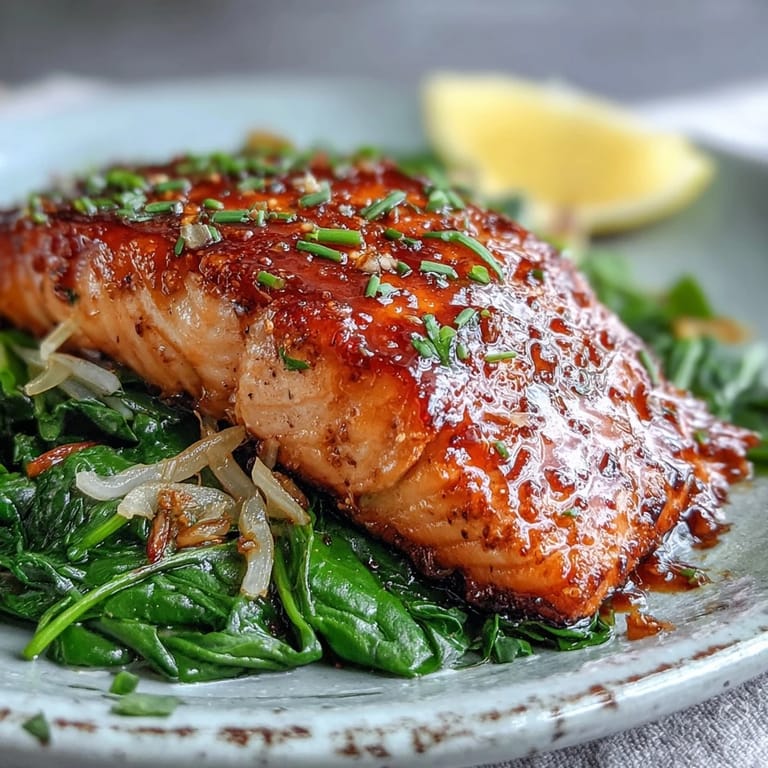
- Slide the tray into your preheated oven and bake for 10 to 12 minutes, watching until the edges are just cooked through and the glaze has caramelized into a light golden crust. The internal flesh should still feel slightly soft when you press it gently—overcooked salmon becomes dry and disappoints.
- Start the spinach while salmon cooks:
- While the salmon is in the oven, heat your oil in a large skillet over medium heat and add the sliced shallot, minced garlic, and julienned ginger. Sauté for about 1 to 2 minutes until the kitchen smells incredible and the shallots begin to soften.
- Wilt the spinach gently:
- Add the spinach in batches, stirring constantly and letting each batch collapse into the pan before adding more. Once it's all wilted, season with soy sauce and freshly ground black pepper to taste.
- Plate and serve:
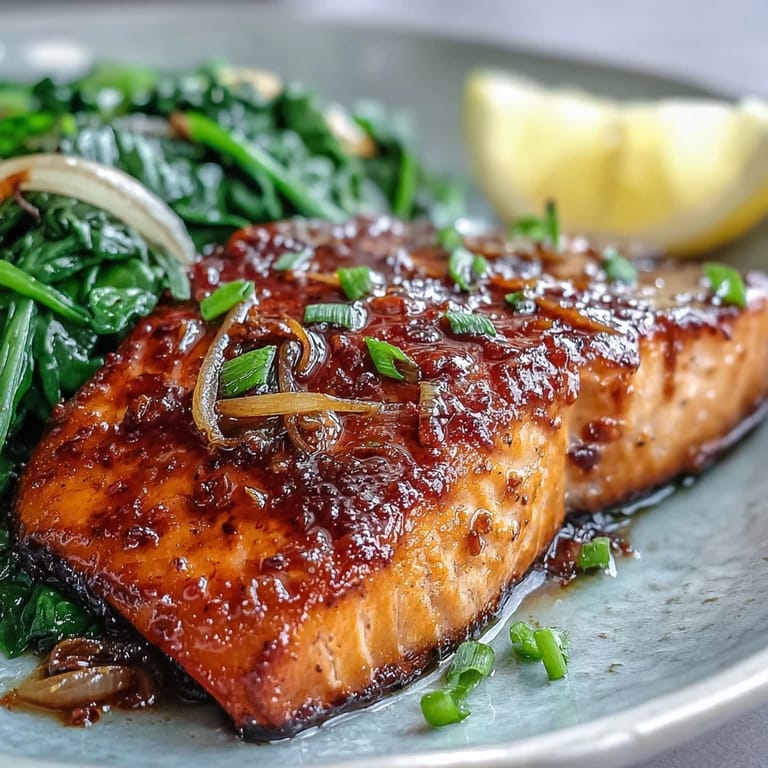
- Divide the sautéed spinach among your plates and nestle a miso-glazed salmon fillet on top of each pile. Serve immediately with lemon wedges on the side so everyone can squeeze a bit of brightness over their plate.
 Pin Now
 I've started making this on nights when I need to feel like I'm taking care of myself, which sounds simple but somehow matters. There's something about a meal this intentional—fish that's been treated with respect, vegetables that taste like something rather than nothing—that reminds you that you're worth the effort.
Why This Dish Works So Well
The beauty of this recipe is in its balance—umami from the miso plays against bright ginger, richness from salmon sits on top of earthy spinach, and lemon brings everything into focus at the end. It's a composition rather than just a plate of food, which is why people respond to it the way they do.
Making It Your Own
Once you've made this a few times, you'll start seeing it as a template rather than a rigid formula. I've added a teaspoon of harissa to the glaze on days when I wanted heat, swapped in bok choy when I didn't have spinach, and even used the miso mixture on chicken breast when I wanted something lighter. The core idea—umami-rich glaze, quick-cooked protein, sautéed vegetables—travels well.
Small Touches That Matter
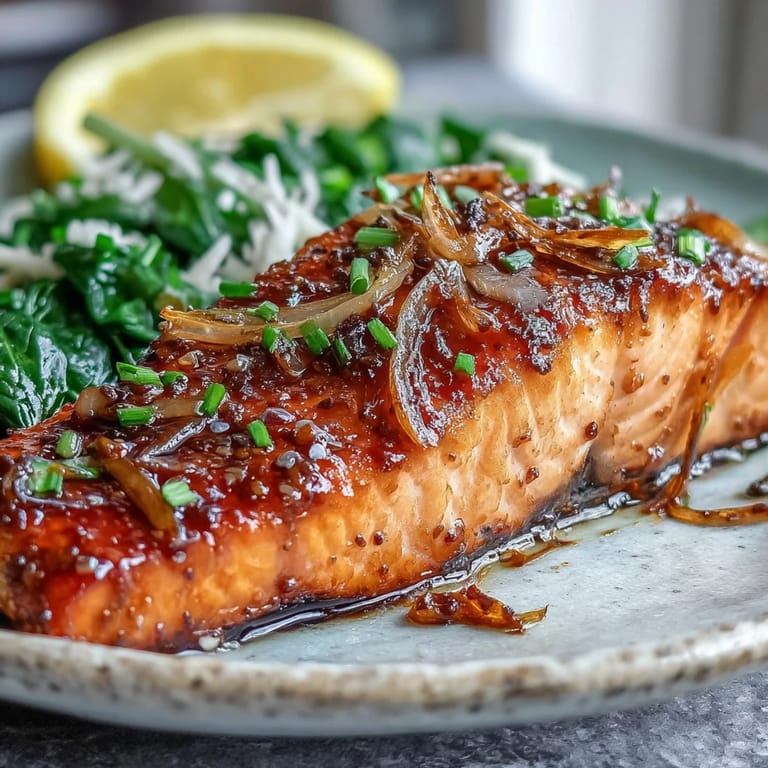
The difference between good and memorable often lives in the small details you add at the very end. A sprinkle of toasted sesame seeds adds a textural surprise, thinly sliced scallions bring a sharp freshness that cuts through richness, and a whisper of extra sesame oil just before serving ties everything together. These aren't afterthoughts—they're the finishing notes that make the dish sing.
- Toast sesame seeds in a dry pan for 2 minutes until fragrant, then scatter them over the finished dish for crunch and nutty depth.
- Keep those lemon wedges accessible because squeezing fresh lemon over salmon at the table is non-negotiable.
- If you're cooking for someone pescatarian or trying to impress, mention that the soy sauce is low-sodium and the whole dish is dairy-free—people notice when you've thought about their needs.
 Pin Now
 This dish has quietly become my answer to that question: what do you make when you want to eat well? Every time I make it, I'm reminded that the most satisfying meals are the ones that taste like both comfort and care.
Recipe FAQs
- → What does miso-glazed salmon taste like?
The miso glaze creates a perfect balance of savory, sweet, and salty flavors. The fermented miso provides deep umami notes, while the honey or maple syrup adds subtle sweetness. The mirin contributes a gentle sweetness and glossy finish, resulting in caramelized edges with a tender, flaky interior.
- → Can I use frozen spinach instead of fresh?
Fresh baby spinach works best for texture and flavor, but you can substitute frozen spinach if needed. Thaw and drain it thoroughly, then add it to the skillet just long enough to heat through. Note that frozen spinach may have a slightly softer texture and more intense flavor.
- → How do I know when the salmon is done?
The salmon is ready when it flakes easily with a fork and the internal temperature reaches 145°F (63°C). The flesh should be opaque and lightly caramelized on top from the miso glaze. Be careful not to overcook, as the salmon will continue cooking slightly after leaving the oven.
- → Can I make the miso glaze in advance?
Yes, you can prepare the miso glaze up to a week ahead and store it in an airtight container in the refrigerator. The flavors may even develop and intensify over time. Bring it to room temperature before using, as cold glaze won't spread as easily on the salmon.
- → What sides pair well with this dish?
Steamed jasmine rice or fluffy quinoa are classic accompaniments that soak up the flavorful miso glaze. You could also serve it with roasted vegetables, cucumber salad, or miso soup for a complete Japanese-inspired meal. A crisp white wine like Sauvignon Blanc complements the rich flavors beautifully.
- → Is this dish suitable for meal prep?
This dish reheats well and works great for meal prep. Store the salmon and spinach separately in airtight containers for up to 3 days. Reheat gently in the microwave or enjoy cold over salads. Keep in mind that the salmon may lose some of its crisp texture upon reheating.