 Pin Now
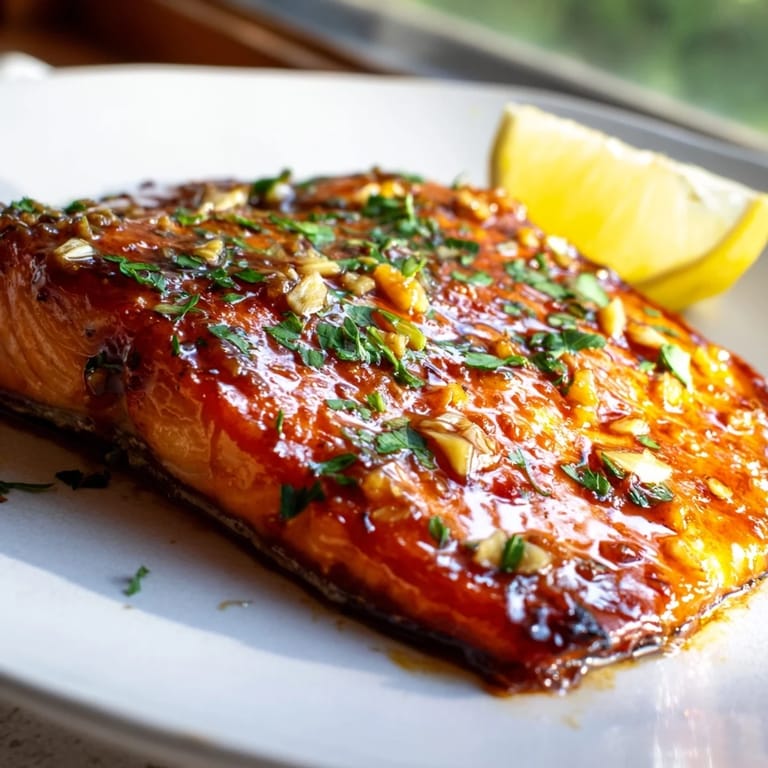
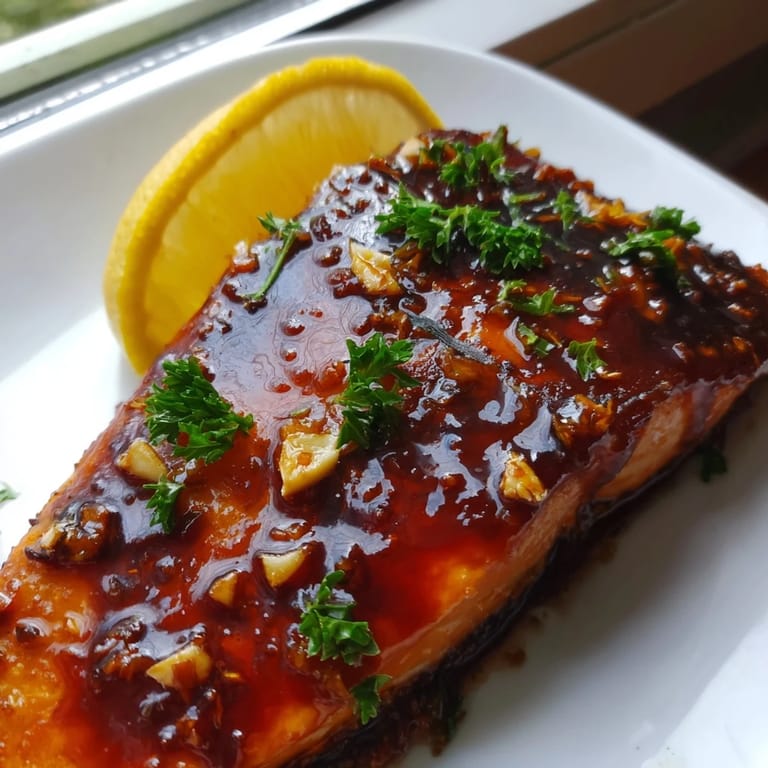
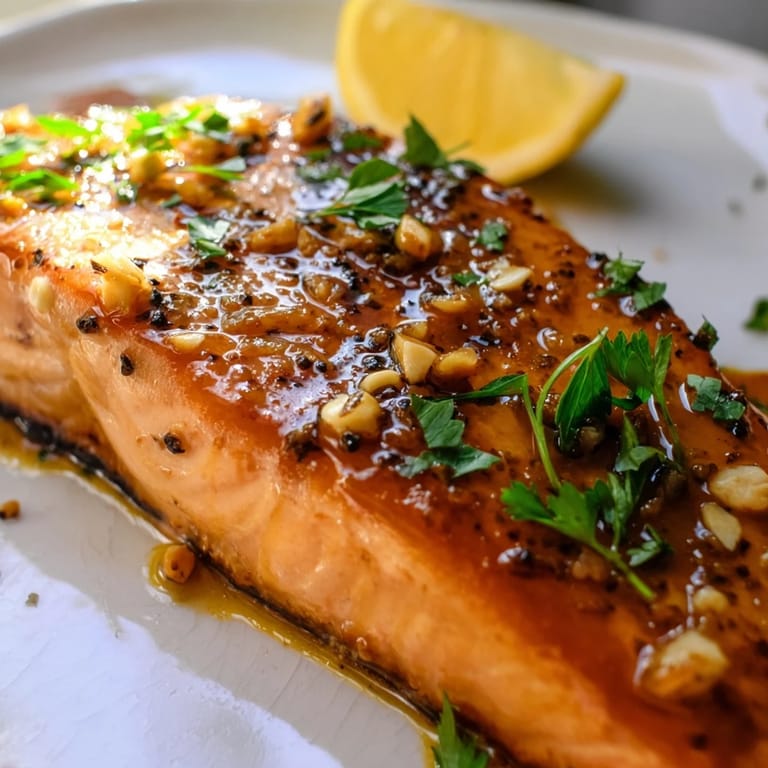
 The first fillet came out of the oven with edges so golden they crackled under my fork, and I knew I'd stumbled onto something that would become a weeknight staple. The glaze had pooled around the salmon, thickening into a sticky, amber sauce that clung to every flake. I'd been skeptical about roasting fish—I always thought it would dry out—but the butter and honey kept everything moist and rich. My kitchen smelled like a restaurant, all caramelized garlic and citrus. I served it with nothing but rice and steamed broccoli, and it felt like I'd made something special without even trying.
I made this for my parents on a Sunday evening when I wanted to prove I could cook something other than pasta. My dad, who usually drowns fish in tartar sauce, ate his fillet without a single condiment and asked for the recipe. My mom kept scraping the pan for extra glaze to drizzle over her rice. It was one of those quiet, proud moments in the kitchen where you realize you've actually learned something. The simplicity of it made it feel like a gift I could give again and again.
Ingredients
- Salmon fillets: Skin-on holds up better during roasting, but skinless works if you prefer, just watch the timing so it doesn't overcook.
- Honey: This is what gives the glaze its shine and caramelization, use a mild variety so it doesn't overpower the garlic.
- Unsalted butter: Adds richness and helps the glaze cling to the fish, melted and whisked in ensures it blends smoothly.
- Garlic: Fresh minced garlic is essential here, the roasting mellows its bite and turns it sweet and golden.
- Soy sauce: Brings a savory depth that balances the sweetness, swap for tamari if you need it gluten-free.
- Lemon juice: Brightens the whole dish and cuts through the richness, fresh is always better than bottled.
- Dijon mustard: Optional but adds a subtle tang and helps emulsify the glaze into something velvety.
- Fresh parsley: A quick sprinkle at the end adds color and a hint of freshness that makes the plate feel complete.
Tired of Takeout? 🥡
Get 10 meals you can make faster than delivery arrives. Seriously.
One email. No spam. Unsubscribe anytime.
Instructions
- Prep the oven and tray:
- Preheat to 200°C (400°F) and line your baking tray with parchment, this keeps cleanup easy and prevents sticking. A light greasing works too if you're out of parchment.
- Season the salmon:
- Pat the fillets completely dry with paper towels, then season both sides with salt and pepper. Dry fish browns better and the seasoning sticks.
- Make the glaze:
- Whisk honey, melted butter, garlic, soy sauce, lemon juice, and mustard in a small bowl until smooth. It should look glossy and slightly loose.
- Brush generously:
- Use a pastry brush to coat the top and sides of each fillet with the glaze, don't be shy. Reserve a little glaze if you want to brush more on halfway through.
- Roast until flaky:
- Slide the tray into the oven and roast for 12 to 15 minutes, depending on thickness. The salmon is done when it flakes easily with a fork and the glaze has caramelized into golden edges.
- Optional broil for caramelization:
- Switch to broil for 1 to 2 minutes at the end if you want extra charred edges. Watch it closely, it can go from perfect to burnt in seconds.
- Finish and serve:
- Spoon any pan juices over the fillets, sprinkle with parsley, and serve with lemon wedges. The acidity from the lemon is the final touch that ties everything together.
 Pin Now
 This recipe became my go-to when I needed to feel like I had my life together, even if I didn't. It's the dish I make when I want to sit down to something beautiful without spending an hour in the kitchen. There's something grounding about the smell of garlic and honey roasting together, like the kitchen itself is giving you a hug. Every time I pull the tray out of the oven, I'm reminded that good food doesn't have to be complicated.
Choosing Your Salmon
I've tried this with both farmed and wild salmon, and both work, though wild tends to be leaner and cooks a minute or two faster. If you're buying skin-on, look for fillets with shiny, tight skin and flesh that bounces back when you press it gently. I used to be intimidated by whole sides of salmon, but individual fillets make portioning easy and cook more evenly. If you can, ask the fishmonger to remove any pin bones, it saves you the trouble at home. Frozen fillets work too, just thaw them completely in the fridge overnight and pat them very dry before seasoning.
Serving Suggestions
I usually serve this over jasmine rice with roasted asparagus or broccolini on the side, the glaze drips down into the rice and makes every bite better. A simple green salad with a lemon vinaigrette keeps things light and fresh. If you're feeding a crowd, double the glaze recipe and toss it with roasted baby potatoes or drizzle it over steamed green beans. I've also flaked leftovers into grain bowls with quinoa, avocado, and a soft-boiled egg for lunch the next day. It's one of those dishes that feels fancy enough for guests but easy enough for a solo Tuesday dinner.
Storage and Reheating
Leftover salmon keeps in an airtight container in the fridge for up to two days, though it's best eaten fresh. I reheat it gently in a low oven (around 150°C) for about 5 minutes, covering it loosely with foil so it doesn't dry out. You can also eat it cold, flaked into salads or tucked into a wrap with greens and a squeeze of lemon. The glaze hardens a bit when chilled, but it softens again with a little warmth or a drizzle of olive oil.
- Store in the fridge within two hours of cooking to keep it safe.
- Reheat gently to avoid overcooking and drying out the fish.
- Cold leftovers are perfect for meal prep bowls or quick lunches.
 Pin Now
 This is the kind of recipe that makes you feel capable in the kitchen, no matter your skill level. It's become one of my most-made dinners, and I hope it finds a place in your rotation too.
Recipe FAQs
- → How do I know when the salmon is cooked through?
The salmon is ready when it flakes easily with a fork and the thickest part reaches an internal temperature of 62-63°C (145°F). At 200°C, this typically takes 12-15 minutes depending on fillet thickness.
- → Can I prepare this salmon ahead of time?
You can prepare the glaze up to a day ahead and store it in the refrigerator. Apply it to the salmon just before roasting for best results and optimal caramelization.
- → What's the best way to achieve caramelization?
First, pat the salmon fillets completely dry before seasoning—this helps the glaze adhere and caramelize properly. Then finish under the broiler for 1-2 minutes at the end of roasting, watching carefully to avoid burning.
- → Can I use skinless salmon fillets?
Yes, skinless fillets work perfectly. Both skin-on and skinless varieties will cook beautifully with this glaze. Skin-on fillets may provide slightly more protection during cooking.
- → How should I store leftovers?
Store cooled salmon in an airtight container in the refrigerator for up to 3 days. Reheat gently in a 160°C oven for about 10 minutes, or enjoy chilled in salads.
- → What side dishes pair well with this preparation?
Steamed rice, roasted vegetables like asparagus or broccoli, and fresh green salads are excellent accompaniments. The bright lemon notes in the glaze complement light, fresh sides beautifully.